
Blog
The Mental Edge:
A blog for athletes and those who love them.
Navigating Failure in Sport
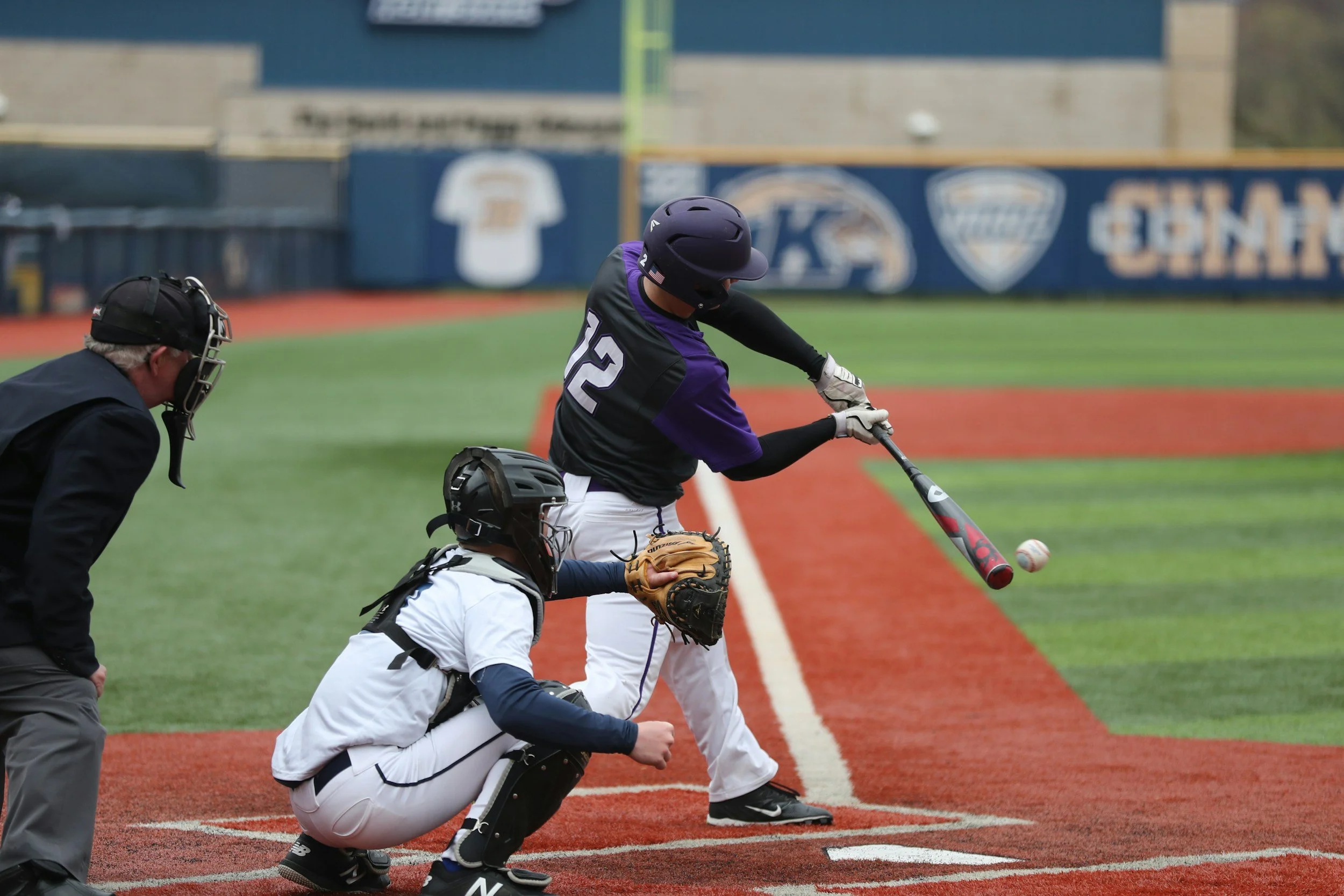
The truth about sports such as baseball and softball is that FAILURE is EXPECTED. In baseball, hitting .300 is considered elite, meaning 70% of at-bats end in failure at the highest level. Elite athletes do not succeed because they stop failing, but because they have trained their ability to respond to failure as deliberately as they’ve trained their hitting, throwing, and fielding.
Self-Talk: A Performance Skill
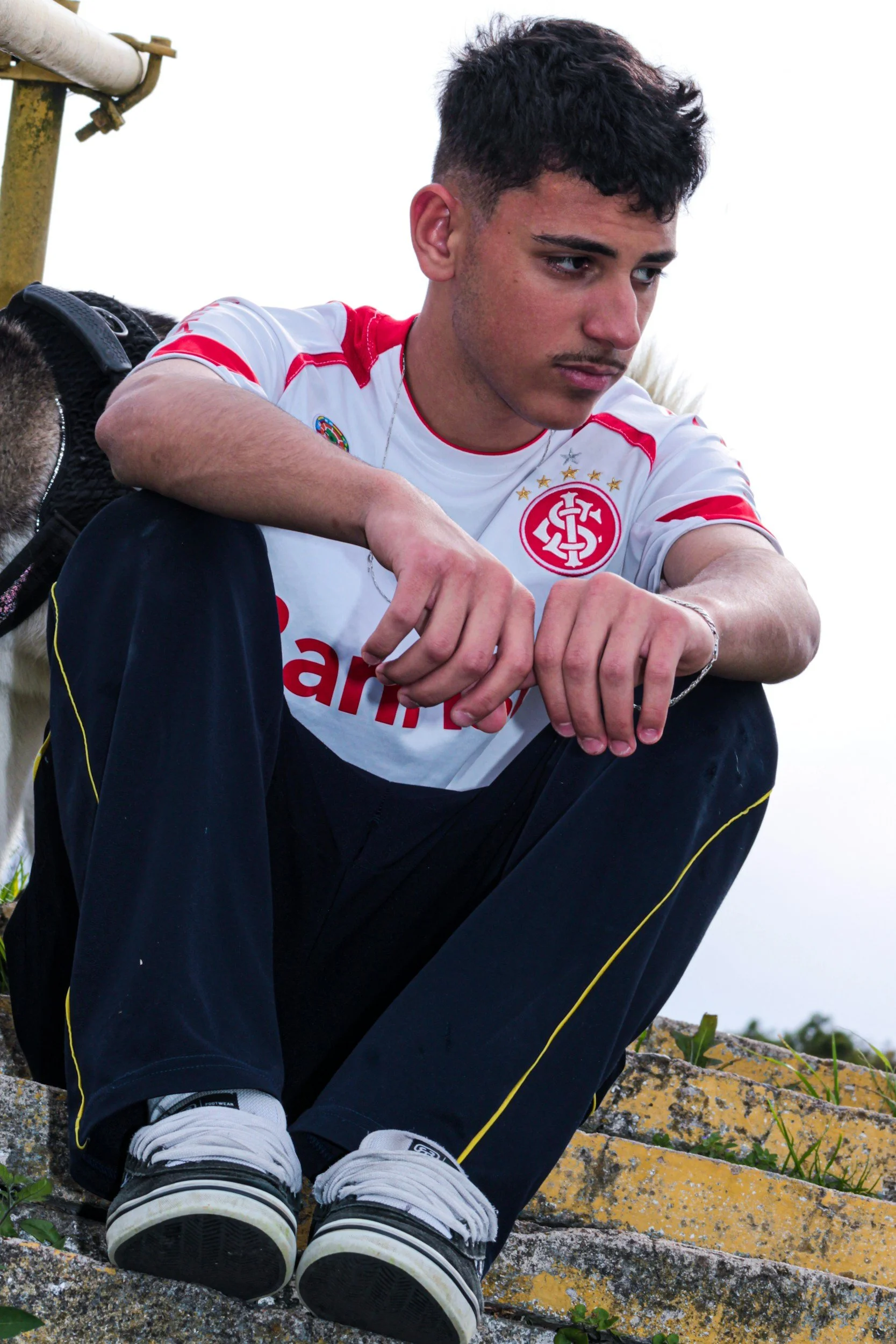
Our self-talk, or the things we say to ourselves, can either be our worst nightmare or our biggest supporter. We can let doubt and anxieties creep into our internal dialogue or we can bring out our inner champion. Powerful self-talk can improve confidence and make athletes feel more in-control of their performance. It’s important for athletes to understand the differences between positive, negative, and instructional self-talk and how to incorporate it for peak performance.
Hidden Ingredients to Success: Self-Compassion and Self-Acceptance
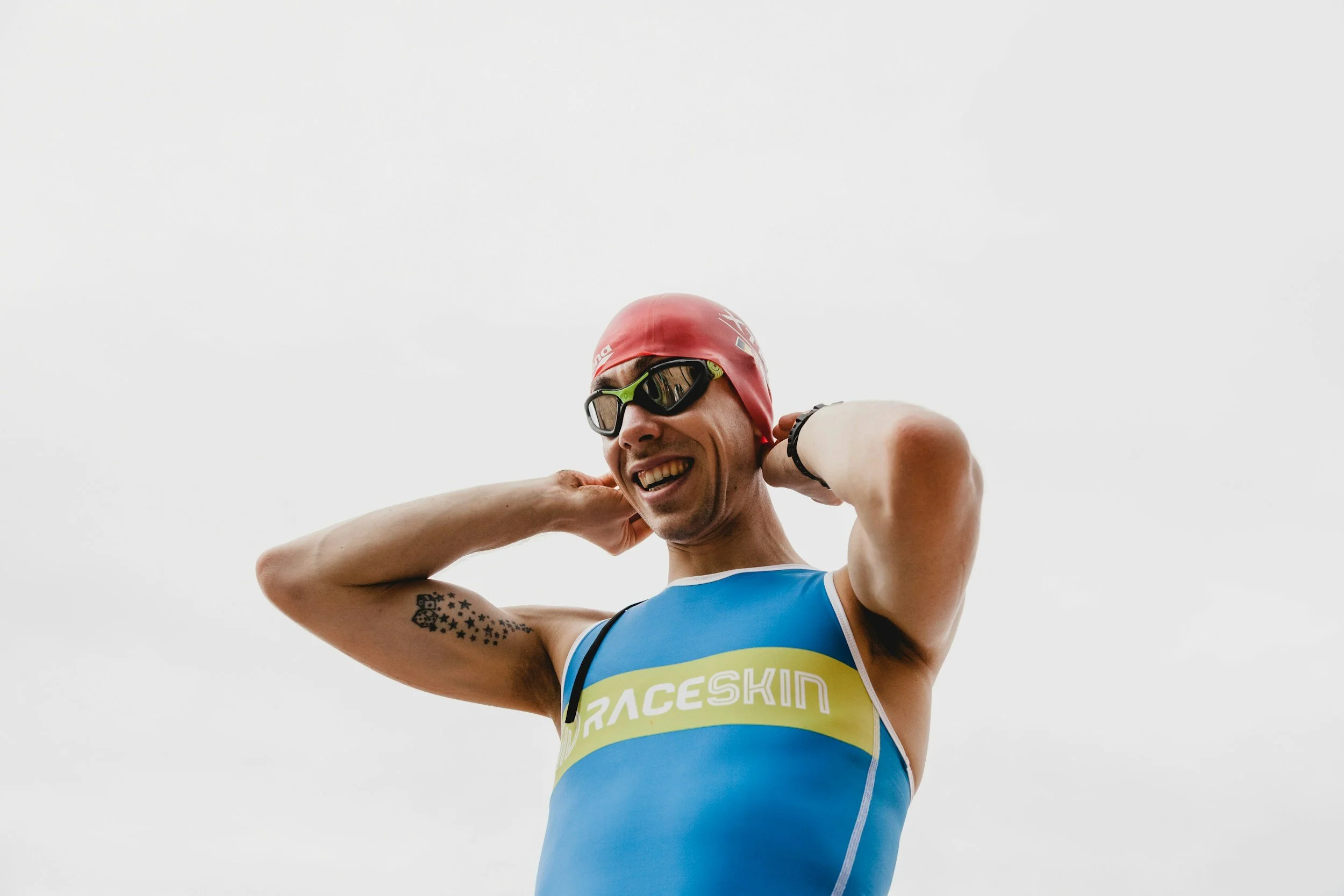
Are you taking the time to love and appreciate yourself? It’s no secret that high-performing athletes are hard on themselves. It’s what got you here, right? But what happens when you’re not getting the results you want? Or when that tough love leads to performance anxiety and self-doubt? Self-compassion and self-acceptance are some crucial, hidden ingredients of success. These concepts remind athletes to treat themselves like a friend, while accepting the parts of themselves that they cannot change and that make their story unique.
How to Use Progressive Muscle Relaxation as a Performance Skill
Progressive muscle relaxation (PMR) is a relaxation technique that involves tensing and relaxing muscles one by one. This is done to reduce stress and anxiety as athletes become more aware of any muscle tension and learn to let it go, creating a state of deep relaxation.

How to Set Goals to Improve Performance
New year, new me! As 2026 begins, many athletes set goals for their new year and upcoming seasons. However, many fall into the critical mistake of focusing on the outcome instead of the process. By focusing on the process instead of the outcome, athletes can head into the new year feeling more confident and in control of their own performance.
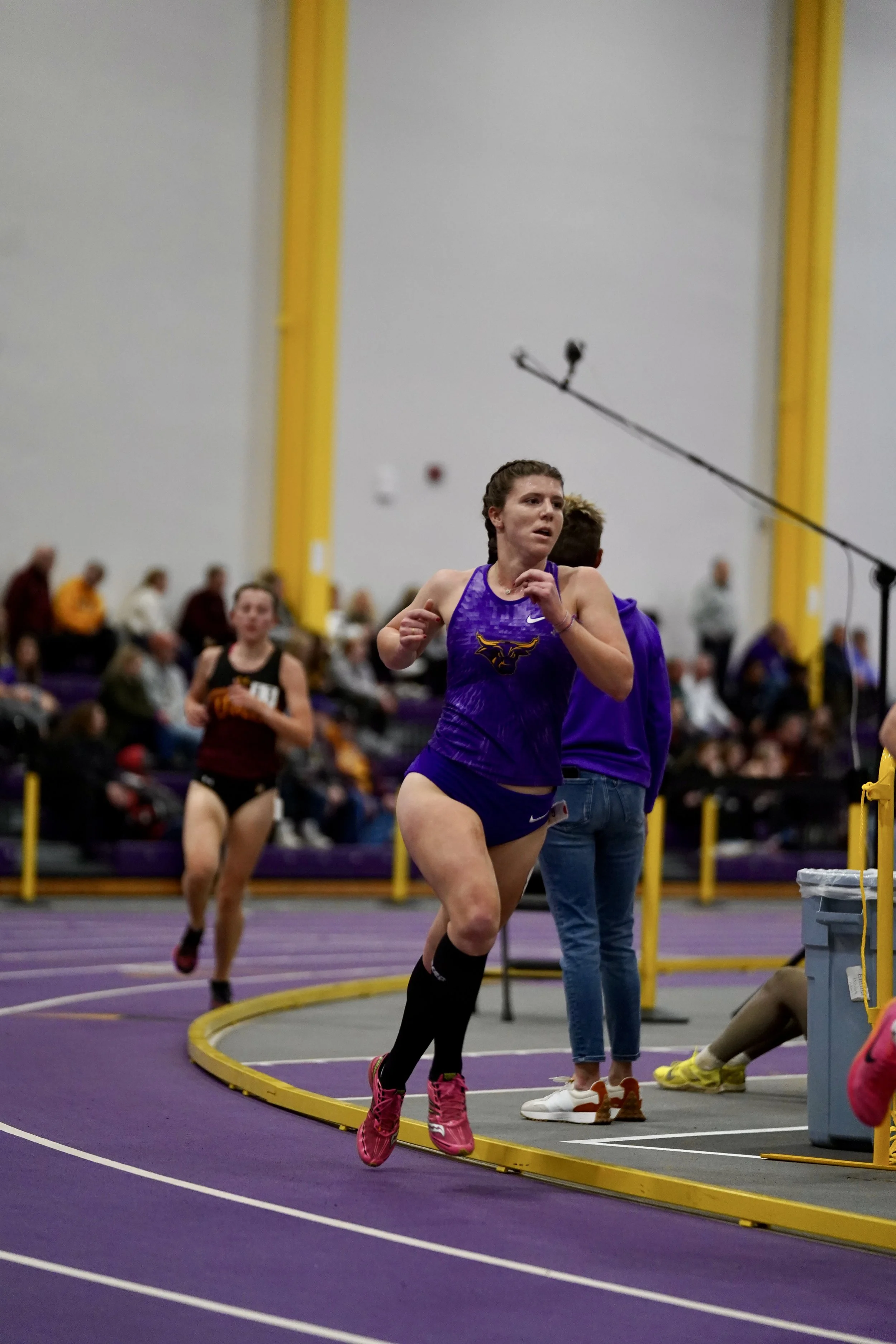
Mental Skills & Tools for the Indoor Track Athlete
As indoor track begins, it is important for athletes to understand how they can fully optimize their potential. While most indoor track athletes have been putting in months of physical training, many often overlook the importance of mental training. This blog post highlights the most important mental skills and tools that the indoor track athlete can use to optimize their potential.
5 Things I Wish I knew Before Basketball Tryouts
Tryouts are intense, no doubt. But they’re also an opportunity to test yourself, to grow, and to show the kind of competitor and person you are becoming.
If you walk into the gym with trust in your preparation, a clear sense of who you are, and a focus on what you can control, you’ve already succeeded in the ways that matter most.

Breathing: A Performance Skill
Intensity regulation is crucial for athletes. While some athletes perform best when they are relaxed, others must increase their level of arousal. Breathing is a simple, yet essential tool that athletes can utilize to reach their optimal level of arousal and performance.

Parenting Under Pressure: How ACT Helps Parents Support Young Athletes
ACT helps you stay present, values-driven, and supportive under pressure. When you unhook from outcomes and model healthy emotion skills, you create the climate where young athletes thrive both mentally and competitively.

Wise Mind: A Performance Skill
Wise Mind is an extension of mindfulness that integrates both the rational and emotional states of mind. By understanding Wise Mind, athletes can make more effective, well-balanced decisions when it matters.

Mindfulness: A Performance Skill
Mindfulness is a powerful performance skill that supports intentional action and acceptance, the replacement of judgment and comparison with facts and feelings, and elevates excellence of perfection.

Supporting High School Student-Athletes Transition to College Sports
Transitioning from high school athletics to college sports can be both exhilarating and overwhelming. Understanding what to expect and how to adapt can make a world of difference, and with the right support, rising first-year college athletes can thrive in their new collegiate environment.

5 Sports Nutrition Myths Debunked
It’s HARD to know what’s real and what’s not these days. Social media, magazines, and even some news outlets are constantly feeding us new health information, and it can be pretty convincing! Read on to learn about 5 nutrition myths that just aren’t true.

Dr. Kate Bennett Joins the Female Athlete Nutrition Podcast
Curious about Dr. Bennett? If so, listen to her conversation with Lindsey Cortes on the Female Athlete Nutrition podcast during which Dr. Bennett talks about her history with cancer as well as her recent downhill mountain biking victory.

Introductory Guide for Navigating College Recruitment
We understand just how exciting AND overwhelming college recruitment can be. To help student athletes and their parents navigate the process, we put together an a discussion of recruitment basics.

5 Nutrition Tips for Youth Athletes
The best way to improve performance is to be consistent with adequate fueling, nutrient timing, and hydration. Read to learn about the basics for youth athlete fueling.

How To Support a Loved One through REDs
Relative energy deficiency in sport (REDs) is prevalent among athletes of all ages, sexes, genders, abilities, and competition statuses. Early detection and intervention are essential to support optimal recovery.

New Podcast: Drawing Ethical Boundaries in the Coach-Athlete Relationship
Dr. Kate Bennett discusses ethical boundaries, dual relationships, and power imbalances that both coaches and athletes should be aware of.

Preventing Burnout in Student-Athletes: How to Stay Healthy, Motivated, and Performing at Your Best
Student-athletes face intense physical, mental, and emotional demands. Balancing training, academics, and social life can be overwhelming, and without proper recovery, many athletes experience burnout—a state of exhaustion that leads to decreased motivation, lower performance, and even withdrawal from sport.

Recognizing When Medications Might Help: Know When to Consider Working with a Sports Psychiatrist
When athletes face mental health challenges, they may or may not need medication support. However, when medications are warranted, working with a sports psychiatrist can be life-giving. So often, we stigmatize medication as a sign of weakness; however, making the choice to take meds and reclaiming one’s mental health is about empowering oneself to get back to enjoying life and thriving in sport