
Blog
The Mental Edge:
A blog for athletes and those who love them.
Navigating Failure in Sport
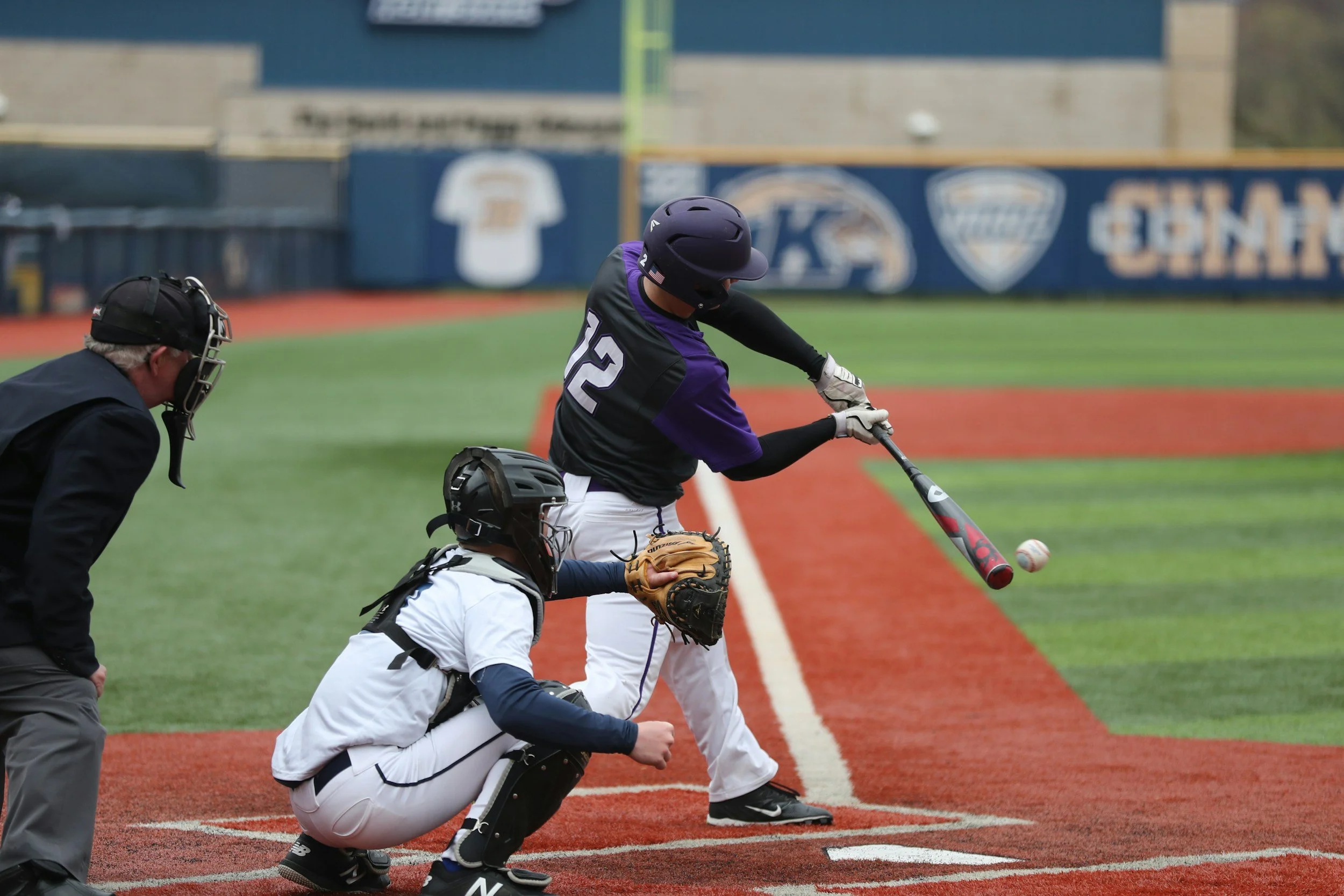
The truth about sports such as baseball and softball is that FAILURE is EXPECTED. In baseball, hitting .300 is considered elite, meaning 70% of at-bats end in failure at the highest level. Elite athletes do not succeed because they stop failing, but because they have trained their ability to respond to failure as deliberately as they’ve trained their hitting, throwing, and fielding.
Hidden Ingredients to Success: Self-Compassion and Self-Acceptance
Are you taking the time to love and appreciate yourself? It’s no secret that high-performing athletes are hard on themselves. It’s what got you here, right? But what happens when you’re not getting the results you want? Or when that tough love leads to performance anxiety and self-doubt? Self-compassion and self-acceptance are some crucial, hidden ingredients of success. These concepts remind athletes to treat themselves like a friend, while accepting the parts of themselves that they cannot change and that make their story unique.
How to Use Progressive Muscle Relaxation as a Performance Skill
Progressive muscle relaxation (PMR) is a relaxation technique that involves tensing and relaxing muscles one by one. This is done to reduce stress and anxiety as athletes become more aware of any muscle tension and learn to let it go, creating a state of deep relaxation.

Mental Skills & Tools for the Indoor Track Athlete
As indoor track begins, it is important for athletes to understand how they can fully optimize their potential. While most indoor track athletes have been putting in months of physical training, many often overlook the importance of mental training. This blog post highlights the most important mental skills and tools that the indoor track athlete can use to optimize their potential.

5 Things I Wish I knew Before Basketball Tryouts
Tryouts are intense, no doubt. But they’re also an opportunity to test yourself, to grow, and to show the kind of competitor and person you are becoming.
If you walk into the gym with trust in your preparation, a clear sense of who you are, and a focus on what you can control, you’ve already succeeded in the ways that matter most.
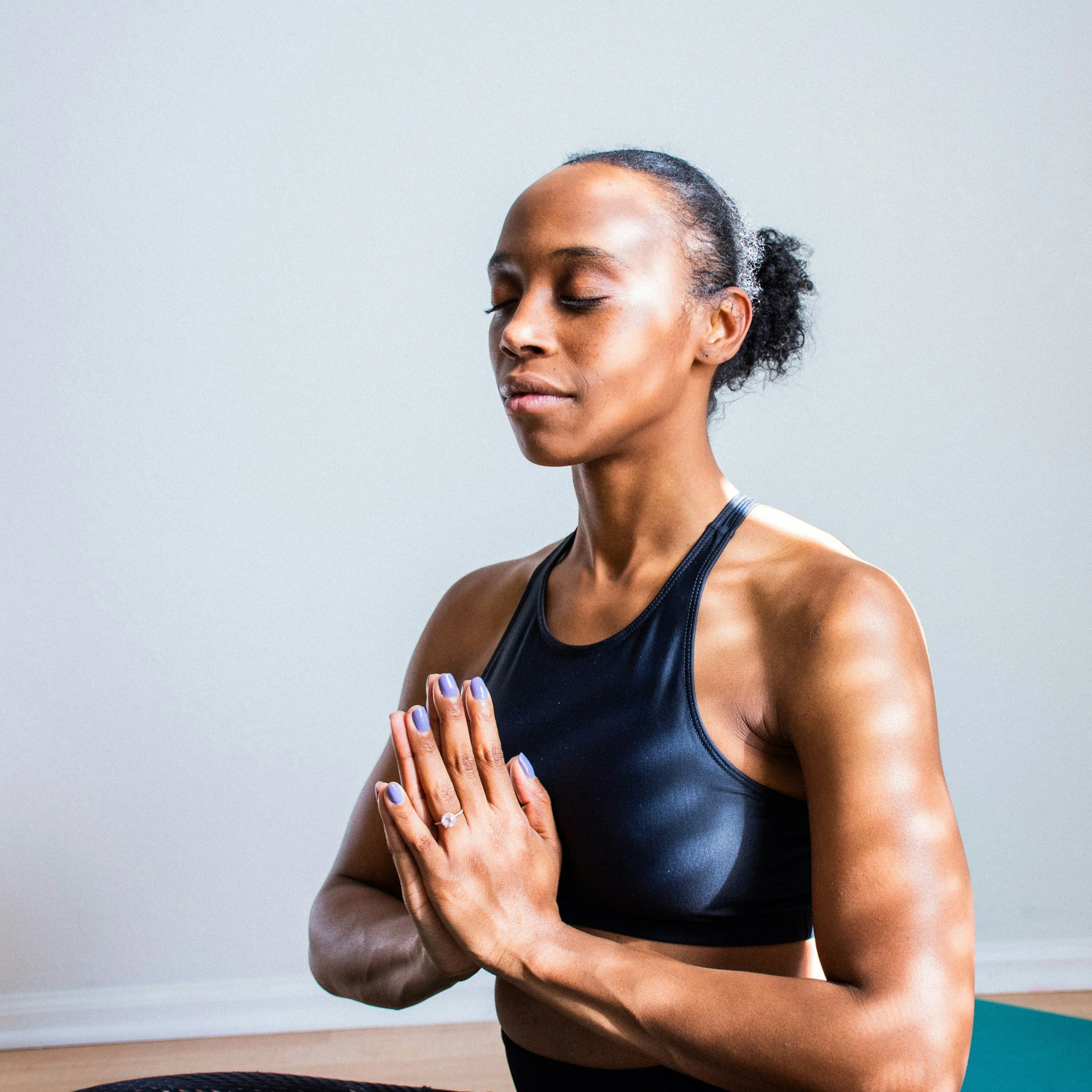
Breathing: A Performance Skill
Intensity regulation is crucial for athletes. While some athletes perform best when they are relaxed, others must increase their level of arousal. Breathing is a simple, yet essential tool that athletes can utilize to reach their optimal level of arousal and performance.

Wise Mind: A Performance Skill
Wise Mind is an extension of mindfulness that integrates both the rational and emotional states of mind. By understanding Wise Mind, athletes can make more effective, well-balanced decisions when it matters.

Mindfulness: A Performance Skill
Mindfulness is a powerful performance skill that supports intentional action and acceptance, the replacement of judgment and comparison with facts and feelings, and elevates excellence of perfection.

So Many Options: What are the Differences between Licensed Mental Health Providers and Other Coaches?
Navigating the world of mental health professionals, life coaches, and performance coaches can be overwhelming. Understanding the training and expertise of different professionals will help you to make informed decisions.

Gratitude: An Anti-dote for Psychological Suffering
A consistent practice of gratitude is a key to unlocking an athlete’s ability to master psychological suffering.