
Navigating Failure in Sport
You strike out, and before you’ve made it back to the dugout, your mind is replaying it. You second guess your read on the pitch, rehearse what you should have done differently, and before your next at-bat even starts, you are still mentally in the last one. This is where performance starts to slip. The failure itself is not the problem, but getting stuck in it can lead to compounding mistakes.
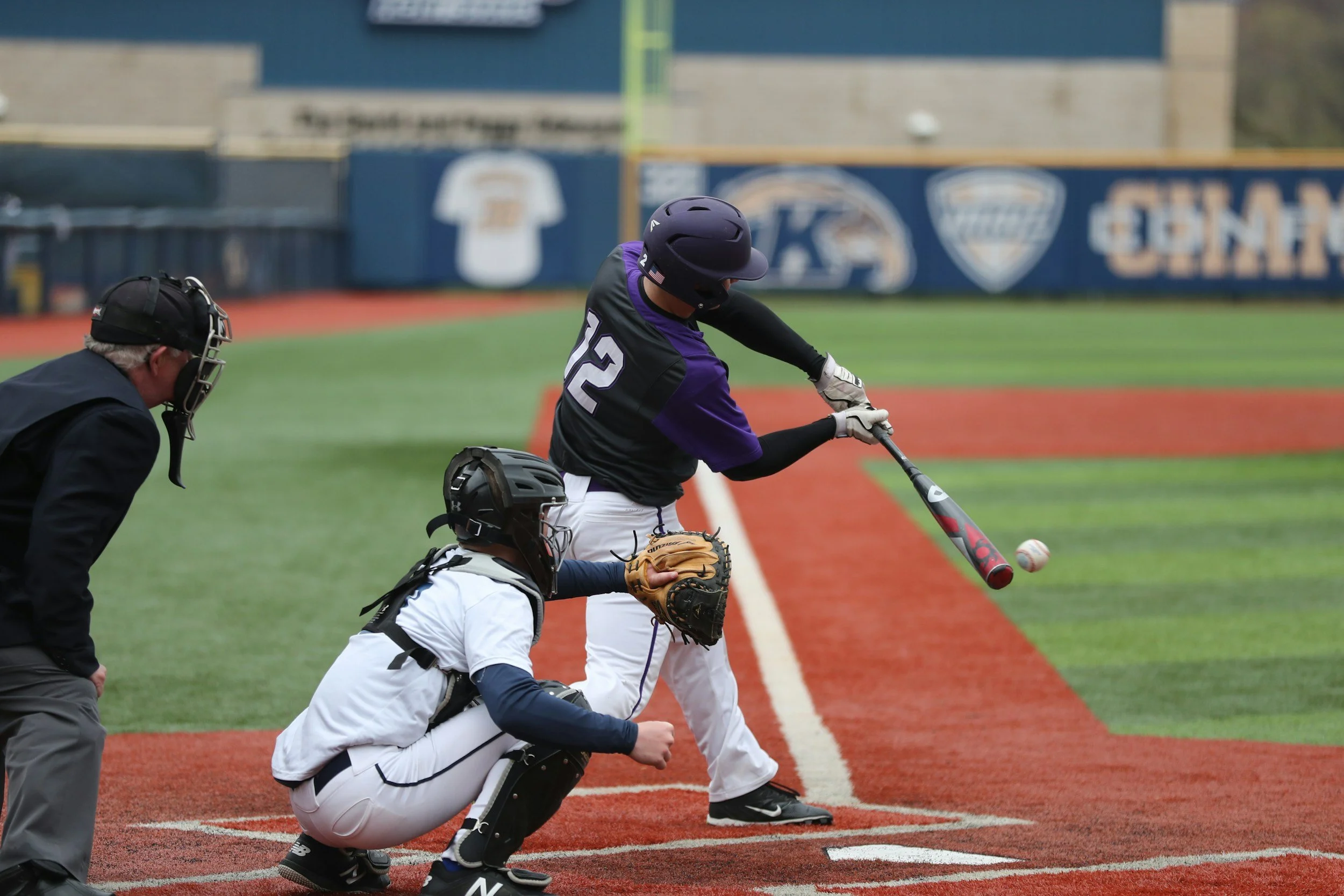
The truth about sports such as baseball and softball is that failure is expected. In baseball, hitting .300 is considered elite, meaning 70% of at-bats end in failure at the highest level. Elite athletes do not succeed because they stop failing, but because they have trained their ability to respond to failure as deliberately as they’ve trained their hitting, throwing, and fielding.
When an error occurs (e.g., a pop fly, a botched dig, a strikeout), the brain’s threat-detection system activates. Stress elevates, cognitive flexibility reduces, and attention narrows. The athlete who stands in the box still mentally focused on the previous at-bat is not simply distracted, but they are physiologically primed to underperform.
The goal is not to care less about mistakes. It is to move through them faster.
RGR – The Adversity Response Plan
What follows is not about suppressing emotion. It is a concrete, three step protocol that can be used to effectively bounce back and perform under pressure.
Release – Notice the emotion the mistake brought up, name it, and then actively choose to let it go This is where a physical cue (e.g., a deep breath, fist clench and release, foot stomp) becomes essential. A deliberate body action signals to your nervous system that the moment is closed.
Ground - Once the emotional charge has been released, the next task is returning to the present moment. Grounding pulls your attention out of the mental replay and anchors it to what's actually happening right now.
Use your breath and your senses as anchors (e.g., the rise and fall of a deep inhale, the ball moving in space, the feeling of your foot striking the ground). The present moment is rich with relevant information, and none of it is the last play.
Redirect – the final step is identifying one concreate action to get back into the competition (e.g., “communicate to teammates,” “get into position,” “aggressive”). This transforms the internal work or release and grounding into external momentum.
Making it Yours
The Adversity Response Plan is most effective under pressure when it has been built deliberately and rehearsed consistently. The specific cues should be unique to your own experience. Rehearse the sequence in low stakes settings (e.g., bullpen, batting practice, scrimmages) until the three steps flow as one fluid response. That's when it stops being a framework you're trying to remember and becomes a reflex you can trust.